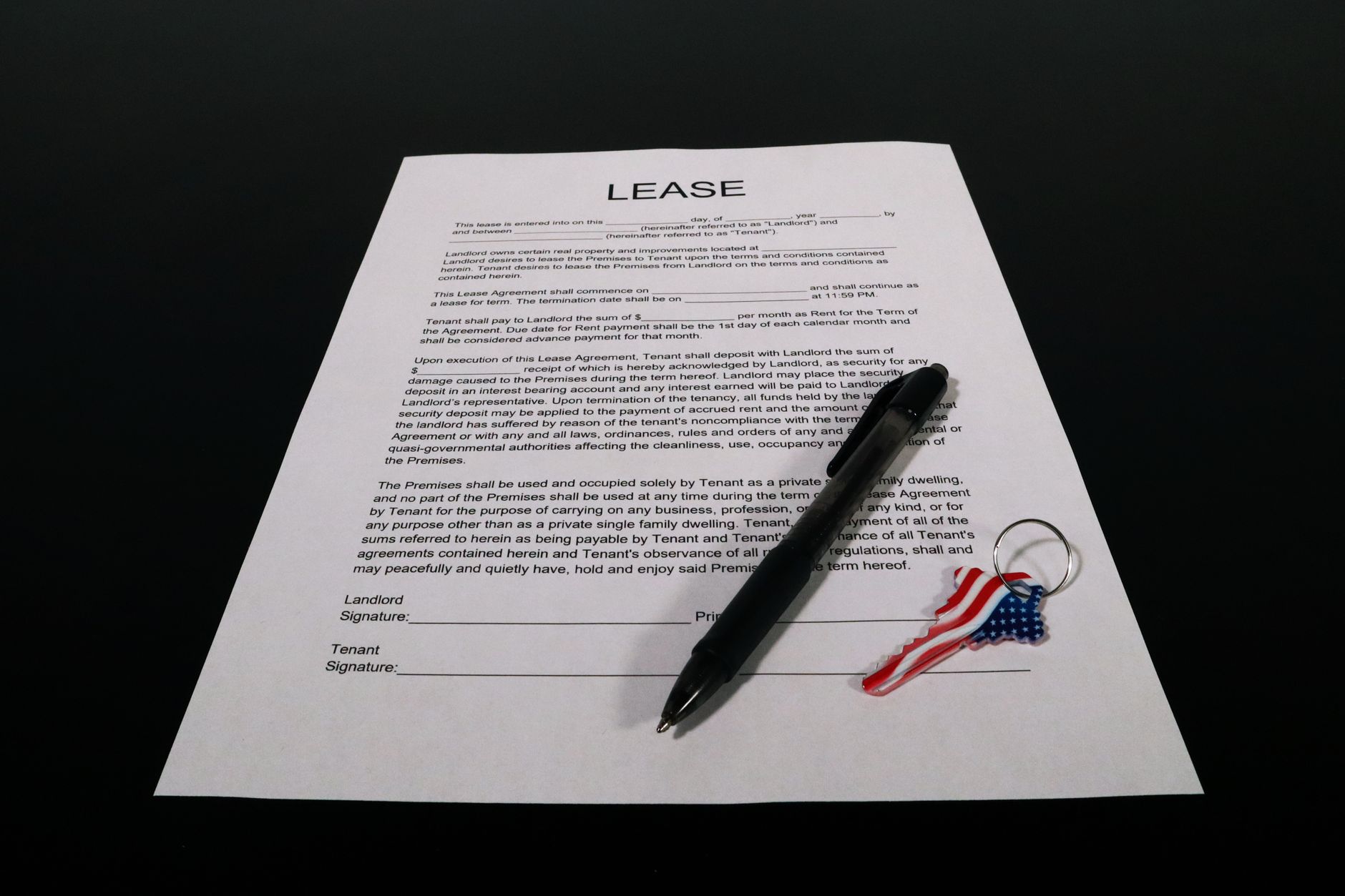
Every Massachusetts landlord faces the same critical decision when a lease approaches its end date. Do you offer a formal lease renewal, or do you let the tenancy shift to a month to month arrangement? In 2026, this question carries more weight than ever before. Rising rental prices, shifting tenant protections, and evolving local ordinances across cities like Boston, Cambridge, and Worcester have made this choice genuinely consequential for your bottom line and legal standing. At Homzora, we work with landlords across the Commonwealth every day, and this is one of the most frequently asked questions we receive. This guide will walk you through everything you need to know to make the right call for your specific situation.
Boston Renter Intelligence Survey
How does your rent compare?
Add your numbers and get an instant read on what share of your income goes to rent, measured against what Boston renters actually report.
See how your rent compares →Rent Adjustment Opportunities
One major financial consideration is your ability to adjust rent. With a fixed term renewal, the rent you agree to at signing is locked in for the duration. With a month to month arrangement, you have the theoretical ability to adjust rent monthly with proper notice, though frequent changes are disruptive and often counterproductive to tenant retention.
A common best practice among experienced Massachusetts landlords is to offer a lease renewal with a modest and justified rent increase, typically in the range of 3 to 6 percent depending on current market conditions, rather than attempting larger adjustments that might push a good tenant to look elsewhere. This balances income optimization with stability.
Property Maintenance and Long Term Planning Considerations
Your decision about lease structure also intersects with your property maintenance strategy and long term investment plans. If you are planning significant renovations, considering selling the property, or anticipating a change in personal use of the property within the next 12 to 24 months, the flexibility of a month to month arrangement may serve your interests better despite the added uncertainty.
Planning for Property Sale or Refinancing
If you are considering refinancing your Massachusetts rental property in 2026 or evaluating whether ownership still makes financial sense for your portfolio, understanding how your lease structure affects your options is important. A tenant on a fixed term lease that runs through the end of the year creates specific considerations for buyers and lenders. Month to month tenancies offer more flexibility in terms of timing a sale, but they may also be viewed as less stable income by mortgage underwriters.
Making the Decision: A Practical Framework for Massachusetts Landlords
Now that you understand the legal, financial, and strategic dimensions of this choice, here is a practical framework for arriving at your decision. Work through each of these considerations before you contact your tenant about their renewal options.
Questions to Ask Yourself Before Deciding
- Has this tenant paid rent on time consistently throughout their tenancy?
- Is the property in good condition with no ongoing disputes about maintenance or care?
- Is your current rent at, above, or below market rate for comparable units in your neighborhood?
- Do you anticipate needing to access the property, sell it, or significantly renovate it within the next 12 months?
- Does your municipality have just cause eviction protections that would limit your ability to end a month to month tenancy?
- What are current vacancy rates for comparable properties in your area?
- How long would it realistically take you to find a new qualified tenant if this one left?
If you answered positively to the first two questions and answered that you have no plans to change the property’s use or status in the near term, a lease renewal with an appropriate rent adjustment is almost certainly the right move. If you answered that you may need flexibility or that market conditions strongly favor higher rents that a current tenant would not accept, a month to month arrangement or a short term lease might serve your interests better.
How to Communicate Your Decision to Your Tenant
Regardless of which option you choose, communicate with your tenant clearly, professionally, and well in advance of the lease expiration date. Provide at least 60 days notice of your intentions if you can, even when only 30 days is legally required. This demonstrates respect for your tenant’s situation and almost always results in a smoother transition regardless of the outcome.
If you are offering a renewal, provide a written renewal agreement for the tenant to review and sign. If you are transitioning to month to month, put that agreement in writing as well, clearly stating the monthly rent amount, the notice requirements for termination, and any changes to the terms that will apply going forward. Clear documentation protects both parties and significantly reduces the likelihood of disputes.
Neighborhood Considerations Across Greater Boston
Massachusetts landlords operating in the Greater Boston area face particularly nuanced decisions because neighborhood conditions vary so dramatically across short distances. A landlord with properties in Jamaica Plain, Dorchester, and the South End might reach different conclusions for each location based on local vacancy trends, demographic shifts, and proximity to employment centers and transit.
The Boston Neighborhood Finder from Homzora is a valuable resource for understanding what is happening at the neighborhood level across Greater Boston. Whether you own property in Allston, Roxbury, East Boston, or one of the surrounding communities, having current neighborhood level data helps you make lease renewal decisions grounded in local market reality rather than broad generalizations about the Massachusetts rental market as a whole.
Common Mistakes Massachusetts Landlords Make at Renewal Time
After working with landlords across the Commonwealth for years, Homzora has observed several recurring mistakes that cost landlords money, time, and legal exposure. Avoid these common errors as you navigate your 2026 renewal decisions.
- Failing to use a written agreement when transitioning to month to month, leaving terms unclear and legally ambiguous.
- Assuming that an expired lease means the tenant has no rights, which is completely false under Massachusetts law.
- Raising rent without proper written notice and agreement, creating disputes about what the actual rent obligation is.
- Ignoring local ordinances and relying solely on state law, which can result in unlawful eviction claims in cities with additional tenant protections.
- Delaying the renewal conversation until the final weeks of the lease term, leaving insufficient time for negotiation or finding a new tenant.
- Failing to update lease terms at renewal time to reflect changes in law or property conditions.
Final Thoughts on Lease Renewal vs Month to Month in 2026
There is no universally correct answer to the question of whether a lease renewal or month to month arrangement is better for Massachusetts landlords in 2026. The right choice depends on your tenant’s history, your financial goals, your property’s condition and location, and your plans for the asset going forward. What is clear is that this decision deserves careful, deliberate consideration rather than a default to whatever is easiest in the moment.
Taking the time to review current market data, understand your legal obligations, screen tenants thoroughly, and document your agreements properly will position you for success regardless of which path you choose. Massachusetts landlords who approach these decisions with professionalism and preparation consistently outperform those who manage reactively.
For more expert guidance on Massachusetts rental property management, neighborhood specific market data, and landlord resources tailored to the Greater Boston area and beyond, visit homzorarealty.com. Our team at Homzora is here to help you make confident, informed decisions at every stage of your rental property ownership journey. Whether you are managing your first investment property or a growing portfolio across multiple Massachusetts markets, we have the tools, data, and expertise to support your goals in 2026 and beyond.
Stay Ahead of the Boston Market
Monthly insights on Boston rents, home tips, and investment opportunities delivered free to your inbox.
Premium Furniture for Your Boston Home
Elevate your Boston apartment or home with HERNEST modern furniture. Timeless designs built to last with fast delivery to Greater Boston.
Data sources and methodology
Data compiled from publicly available sources including the U.S. Census Bureau, Massachusetts Association of Realtors, Zillow Research, CoStar Group, and MBTA ridership reports. Statistics reflect current market conditions as of 2026 and should be used for informational purposes only.
Related Boston Housing Resources
📚 Related Reading on Homzora
Compare tools for your rental records
Before paying for software, list the records you need to maintain, who needs access, and how you will export your information if you change providers. Compare current pricing and features directly with Buildium, TurboTenant, Rentec Direct. Software does not replace checking your property expenses or obtaining advice for your circumstances.
Affiliate disclosure: Homzora may earn a commission if you sign up through these links.