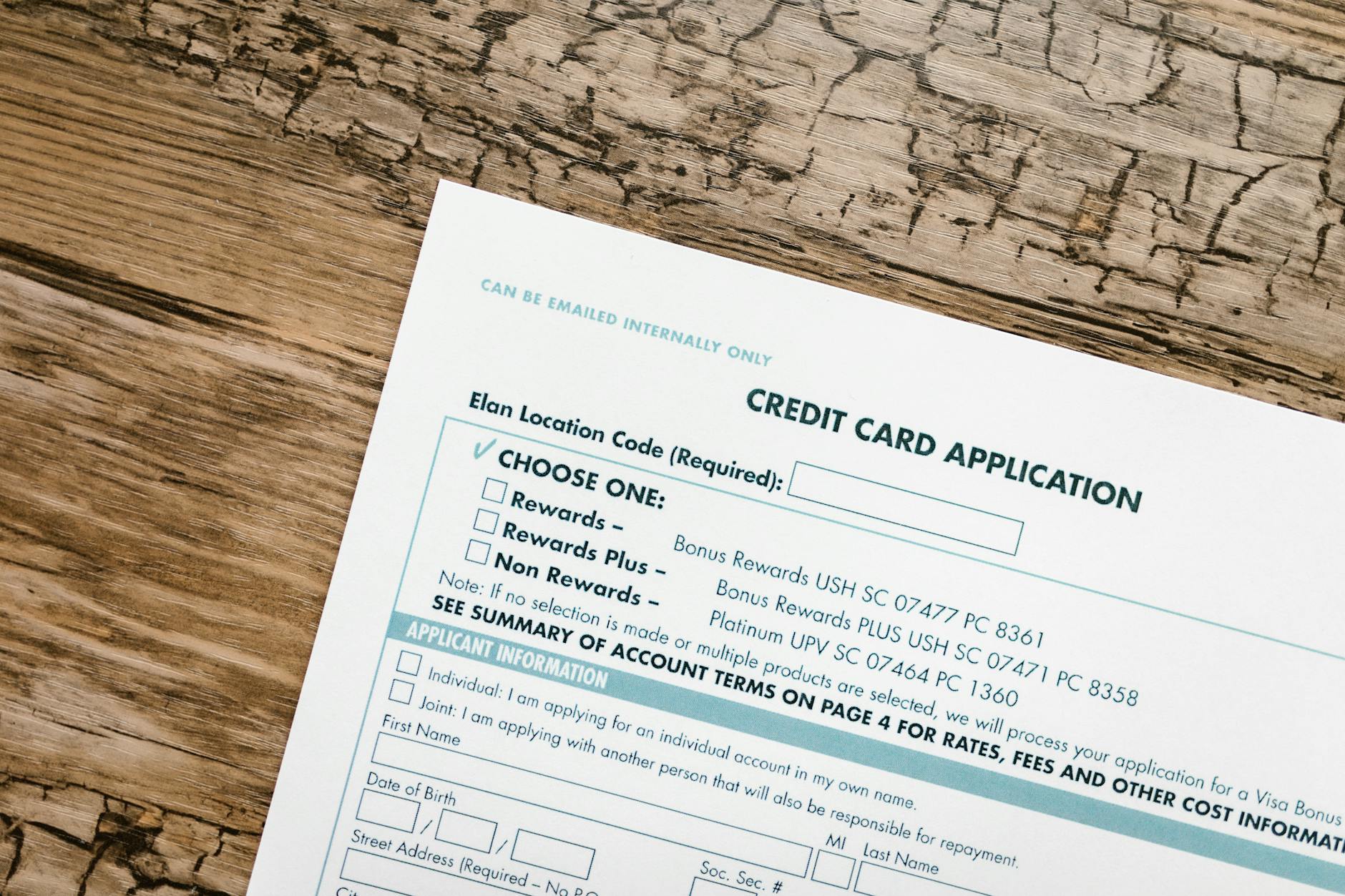
Preparing for a Boston rental application can include reviewing your credit information and organizing requested documents. This guide does not promise a particular score change within 30, 60, or 90 days.
Boston Renter Intelligence Survey
How does your rent compare?
Add your numbers and get an instant read on what share of your income goes to rent, measured against what Boston renters actually report.
See how your rent compares →Check your numbers against Boston data
See what share of your income goes to rent, and how your neighborhood compares. Free, no email required.
Need to Repair Your Credit Before Applying?
Sky Blue Credit has helped Americans repair their credit since 1989. If your credit score is holding you back from qualifying for a Boston apartment or mortgage, they are one of the most trusted options in the industry.
SmartCredit
Optional affiliate offer: review SmartCredit’s current pricing, included features, and cancellation terms before subscribing. Homzora may earn a commission if you purchase through this link.
Why Your Credit Score Matters So Much in the Boston Rental Market
Boston is home to dozens of major universities, a booming tech and biotech sector, and a population of young professionals who are all competing for a limited housing supply. This means landlords and property management companies have the luxury of being selective. A strong credit score signals to a landlord that you are financially responsible, that you pay your bills on time, and that you are unlikely to default on your rent obligations.
Most Boston landlords and large property management companies require a minimum credit score somewhere between 620 and 700, though premium buildings in neighborhoods like Back Bay, the South End, or the Seaport District often expect scores of 700 or higher. Some individual landlords managing smaller multi unit properties in neighborhoods like Dorchester or Allston may be more flexible, but even they will run a check. Understanding what the market expects before you apply is the first smart move you can make.
To get a clearer picture of what different Boston neighborhoods demand in terms of rental requirements and pricing, take a look at the Boston Neighborhood Finder, which breaks down rental expectations across the city by area so you can target your search strategically.
How Boston Landlords Actually View Your Credit Report
When a landlord pulls your credit, they are not just looking at your three digit score. They are reading your full report like a story about your financial life. Here is what they specifically focus on.
Payment History
This is the single largest factor in your credit score, accounting for 35 percent of your FICO score. Even one or two late payments from the past two years can raise red flags for a Boston landlord. A pattern of late payments will almost certainly result in denial or a request for a significantly higher security deposit.
Debt to Income Ratio and Outstanding Balances
Landlords look at how much revolving debt you are carrying relative to your credit limits. High balances suggest you are financially stretched, which makes them nervous about your ability to pay rent on time every month. They also often use the general rule that your monthly rent should not exceed 30 to 40 percent of your gross monthly income.
Negative Marks and Public Records
Collections accounts, charge offs, bankruptcies, and prior evictions are serious red flags that can disqualify you almost immediately from premium properties. Even older collections can hurt your application if they appear unresolved on your report.
Length of Credit History and Account Mix
A longer credit history with a mix of account types, including credit cards, installment loans, and other financial products, demonstrates that you can manage different forms of credit responsibly over time.
Your 30 Day Credit Improvement Plan
If you have about a month before you plan to start submitting apartment applications, you can still make meaningful improvements to your credit profile. Focus on the fastest moving levers available to you.
Pull Your Free Credit Reports and Look for Errors
The very first thing you should do is get copies of your credit reports from all three major bureaus, Equifax, Experian, and TransUnion. Federal law entitles you to one free report per bureau per year through AnnualCreditReport.com. Go through every line carefully and look for accounts you do not recognize, incorrect late payment notations, duplicate accounts, incorrect personal information, or debts that have already been paid but are still showing as outstanding.
Errors on credit reports are more common than most people realize, and disputing them can result in a score increase within 30 days if the bureau removes or corrects the item. File disputes directly with the bureau that is reporting the error, and be sure to include any supporting documentation you have.
Pay Down Credit Card Balances
Your credit utilization ratio, which is the percentage of your available revolving credit that you are currently using, accounts for 30 percent of your FICO score. If your balances are above 30 percent of your credit limits, paying them down quickly can produce noticeable score improvements within a single billing cycle. Ideally, aim to get your utilization below 10 percent on every individual card as well as in the aggregate.
Set Up Autopay for All Current Bills
Even if it does not immediately boost your score, setting up autopay ensures you will not accidentally miss a payment during the stressful process of apartment hunting. A single new late payment during this critical period could undo weeks of progress.
Start Monitoring Your Score Daily
A paid monitoring subscription is an optional purchase. Before choosing one, compare the information included, the update schedule, the total cost, and whether those features address your actual needs.
Your 60 Day Credit Improvement Plan
With two months to work with, you have enough time to implement more strategic changes that go beyond quick fixes and start reshaping your credit profile more substantially.
Use the Authorized User Strategy
One of the most powerful and legitimate credit building techniques available is becoming an authorized user on someone else’s credit card account. If you have a family member or close friend who has a card with a long history, a high limit, and consistently low balances, ask them to add you as an authorized user. You do not even need to use the card or have access to it physically. Their positive payment history on that account will be reported to the credit bureaus under your name as well, which can boost your score significantly, sometimes by 20 to 50 points depending on your current profile.
Address Outstanding Collections
If you have collection accounts on your report, this is the time to address them strategically. Contact the collection agency and request a pay for delete agreement in writing, where they agree to remove the account from your credit report entirely in exchange for payment. Not every collector will agree to this, but many will, especially for older debts. Even if a pay for delete is not possible, paying off a collection account can help in markets where landlords use newer credit scoring models that ignore paid collections entirely.
Request a Credit Limit Increase
If you have a credit card in good standing, contact your issuer and request a credit limit increase without a hard inquiry if possible. Increasing your available credit without increasing your balances will lower your utilization ratio, which improves your score. Many issuers can grant these increases with only a soft inquiry, which does not affect your score at all.
Make Your Next Housing Decision with Better Information
Explore Homzora housing research, neighborhood guides, and practical tools. Choose your city to get started.
Avoid Applying for New Credit Accounts
Every time you apply for a new credit product, a hard inquiry is added to your report, which can temporarily lower your score by several points. During the 60 days before you apply for an apartment, resist the urge to open new credit cards or take on new loans unless it is absolutely necessary.
Your 90 Day Credit Improvement Plan
Three months gives you the most flexibility to make comprehensive improvements and build a genuinely stronger credit foundation before your Boston apartment applications go in.
Pay Down Installment Loans Strategically
While credit card utilization has the most immediate impact on your score, paying down installment loan balances such as student loans or auto loans can also improve your profile. Getting any installment loan below 50 percent of its original balance tends to have a positive effect on your score.
Make Your Next Housing Decision with Better Information
Explore Homzora housing research, neighborhood guides, and practical tools. Choose your city to get started.
Build a Consistent Payment History
Three months of perfect on time payments on every account you have is enough to establish a visible pattern of improvement that some landlords and property managers will take into account, especially if you have explained past difficulties and can demonstrate that you have turned things around.
Consider a Secured Credit Card if You Have Thin Credit
If you have a very limited credit history rather than a damaged one, opening a secured credit card and using it responsibly for 90 days can help establish the kind of credit profile that Boston landlords want to see. Keep your balance well below the limit and pay it in full every month.
Track Everything with a Credit Monitoring Service
Keep dated copies of the information you review and distinguish a provider’s update schedule from your own application deadline. Do not assume that subscribing produces immediate changes to a report or score.
Preparing Your Full Rental Application Package
Once you have spent time improving your credit score, you want to make sure your full application package presents you in the strongest possible light. Boston landlords typically ask for proof of income, recent bank statements, references from previous landlords, and a cover letter in competitive situations.
If your score is still not exactly where you want it by application time, consider being proactive and attaching a brief written explanation of any negative items on your report along with documentation showing how the situation has been resolved. Many independent landlords will appreciate the honesty and transparency, especially if your score shows clear upward movement.
Understanding local rental trends and knowing which neighborhoods fit your budget and lifestyle can also help you target your search toward landlords who are the best match for your profile. The Boston Neighborhood Finder is an excellent resource for narrowing your options with real data on availability, pricing, and neighborhood characteristics across the city.
Boston Rental Market Trends That Make Credit Even More Important in 2026
The Boston rental market heading into 2026 continues to face significant supply constraints. Vacancy rates remain historically low, particularly in the most desirable neighborhoods, and rental prices have continued to climb. This environment empowers landlords to set higher standards for applicants, and credit scores are increasingly being used as a primary filter before landlords even agree to schedule a showing.
Additionally, many large property management companies have adopted automated screening platforms that score applicants algorithmically, meaning your credit score and report are being evaluated by software before a human even sees your name. These platforms often apply strict cutoffs that leave no room for negotiation, making it even more critical to walk in with the strongest credit profile you can build.
For a deeper look at how the Boston rental market is performing and what trends are shaping tenant and landlord behavior heading into 2026, explore the Boston Housing Data resource from Homzora, which provides up to date analysis and market statistics to help renters make informed decisions.
Common Credit Mistakes Boston Renters Make Before Applying
- Applying for multiple apartments simultaneously without realizing that each application may trigger a hard inquiry on their credit report.
- Ignoring small collection accounts under a few hundred dollars, not realizing these show up clearly on credit reports and raise immediate concerns for landlords.
- Closing old credit card accounts in an attempt to simplify their finances, not knowing that this reduces available credit and can raise utilization ratios overnight.
- Waiting until after submitting applications to check their own credit reports, which means surprises at the worst possible time.
- Assuming that a landlord will only check one bureau rather than all three, when in reality many comprehensive tenant screening services pull data from multiple sources.
- Making large unusual deposits into their bank accounts without documentation, which can raise questions during the income verification process even if it has nothing to do with credit.
How SmartCredit Supports Your Boston Apartment Journey
Compare the current plan documentation carefully. Record which reports and scores are included and what the provider says about alerts, limitations, and cancellation.
If a service offers a simulator or suggested actions, read the explanation of its assumptions and limitations. Do not treat a projected result as a promised outcome for your rental application.
Final Thoughts for Boston Renters in 2026
Improving your credit score before applying for a Boston apartment is one of the highest return investments of time and attention you can make. The steps outlined in this guide, from disputing errors and paying down balances to using the authorized user strategy and monitoring your progress consistently, are all proven techniques that produce real results within realistic timeframes. The key is to start early, stay consistent, and use the right tools to keep yourself on track.
Boston’s rental market rewards prepared applicants. Landlords across every neighborhood from South Boston to Cambridge are actively looking for tenants who demonstrate financial reliability, and a strong credit score is the most direct signal you can send. Pair that with a smart neighborhood strategy and solid application materials, and you put yourself in the best possible position to land the apartment you want.
Review the available options and their costs before deciding whether an additional subscription is useful for your situation.
Stay Ahead of the Boston Market
Monthly insights on Boston rents, home tips, and investment opportunities delivered free to your inbox.
Recommended Furniture for Boston Apartments
Furnish your Boston apartment with elegant and affordable modern furniture from Sicotas. Free shipping on many items with 60 day returns.
Not sure which tradeline is right for you? Learn how to choose the best tradeline for your credit goals and Boston rental timeline.
How to Choose a Tradeline → (link unavailable)
Related Boston Housing Resources
📚 Related Reading on Homzora
📋 Free: The Boston Renter’s Move-In Rights Checklist
What landlords can legally charge, the 2025 broker-fee rule, and your deposit rights — one printable page.
Download the checklist (PDF) → — and subscribe for the quarterly Boston Renter Report: